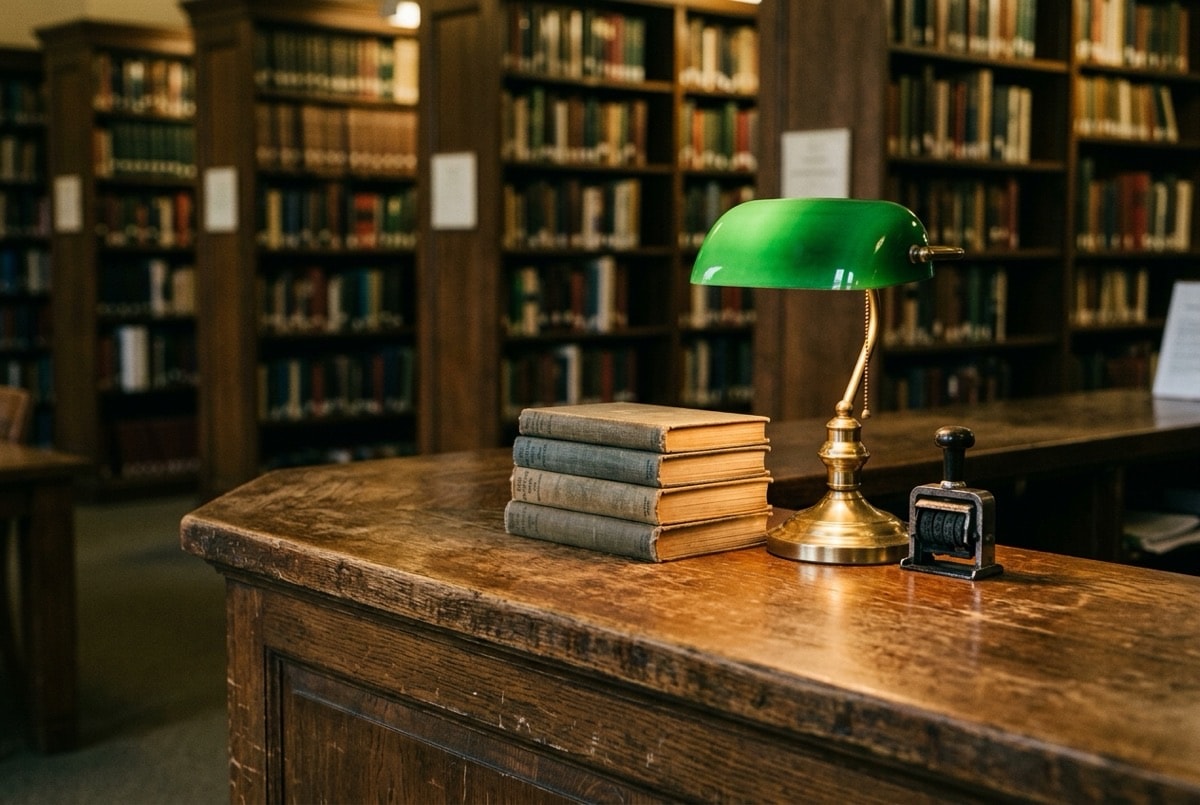
Ask most people what a public library does and they will say it lends books. This library system’s historical service inventory runs to more than thirty distinct offerings, and lending is one of them. This page presents that inventory — a useful portrait of what a small American county library system in the 2000s and 2010s actually spent its days doing.
Everything below is described in the past tense. Nothing here describes a currently available service.
Access to the collection
The foundation layer. Borrowing from a shared statewide catalogue with holds and renewals; interlibrary loan for material the state's own network did not hold; an open-access arrangement for readers whose home library sat outside the system; periodical subscriptions maintained as a browsing collection; and curbside collection, which appears in the record as a pandemic measure and stayed.
Reference and research
A staffed reference desk, an ask-a-librarian request route, a genealogical and historical room, and access to a regional archives collection. Reference work at this scale is mostly unglamorous: tax forms, a property boundary, a school project, a family name, a phone number for an agency. The reference desk was treated as a first-class service with its own section of the site throughout every era.
The genealogy and local history page covers this in depth.
Computers, internet and technology
This was the fastest-growing service area, and it is a good index of rural American connectivity. Over the years the library offered wireless internet at the branches, public computer access, a computer lab and study room, structured computer classes, mobile printing, take-home technology loans, and a grab-and-go loaner programme.
Two of those deserve comment. Computer classes — a library teaching adults to use a keyboard, an email account or a government website — is one of the highest-value services in the whole list and is almost never counted. Take-home technology means lending devices and connectivity to households that have neither, which turns the library from a place you visit into infrastructure you can borrow.
Spaces
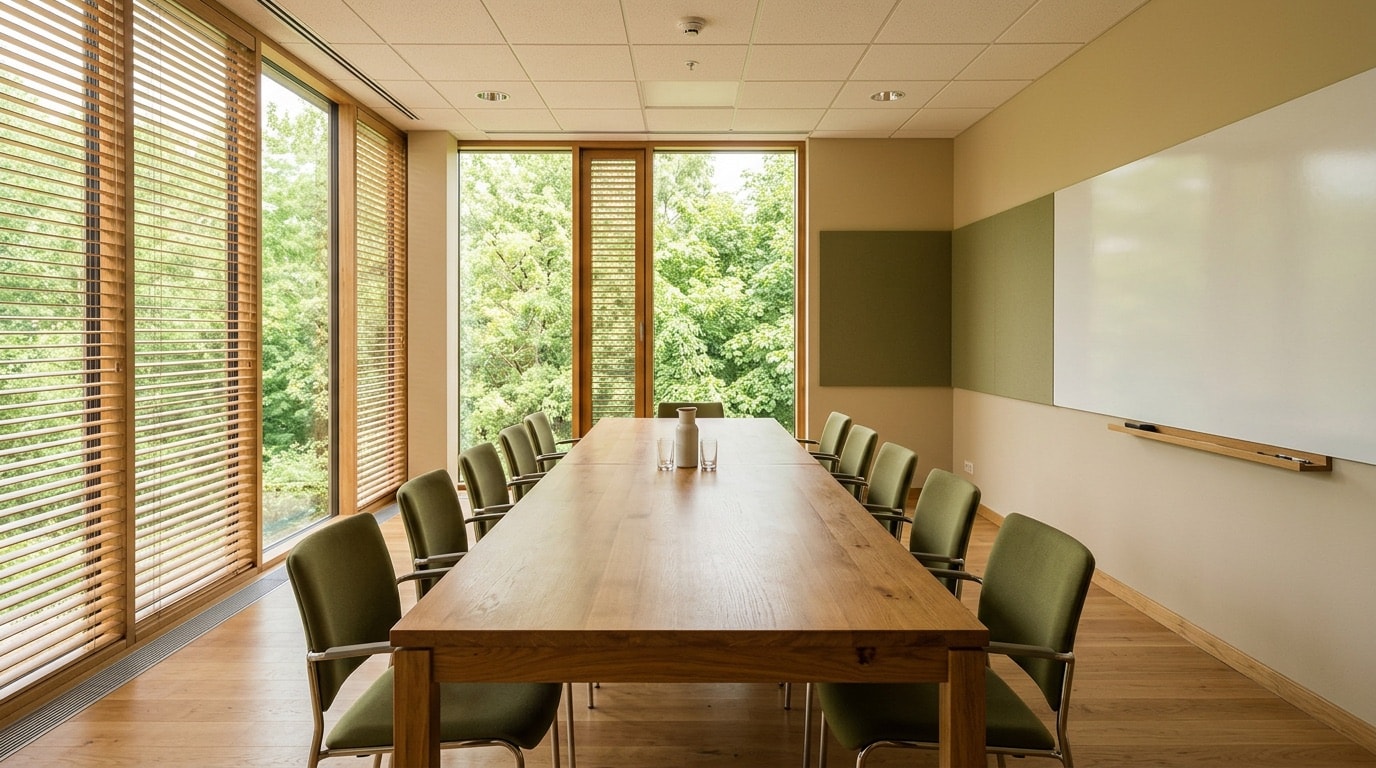
Meeting rooms, bookable in advance, with their own calendar — used by clubs, tutors, study groups and community organisations. A memory lab, which is the modern name for equipment that lets people digitise their own photographs, slides, tapes and home video. A study room. A local history room. In a small city, a free bookable room with chairs and a table is a scarce public good, and it is one of the few library services that people who never borrow a book still use.
Youth services
Regular storytimes for young children; an early-literacy initiative encouraging a thousand books read with a child before kindergarten; distinct teen services; a school-linked student card programme designed to remove borrowing friction for pupils; and the summer reading clubs. The library also offered an art-of-reading strand and reading challenges for adults.
As elsewhere on this site, no participant in any youth programme is named or pictured.
Practical civic services
Notary services and fax. Accessible services for readers with disabilities. Adult literacy assistance. A business and nonprofit resource centre. Seasonal tax help, which ran year after year as a volunteer-run programme during filing season — one of the clearest examples of a library acting as general-purpose civic infrastructure rather than as a cultural institution.
Community programming
The events record is a good spread: yoga sessions for adults, mandala colouring, book clubs, an after-hours book club, free foreign-language classes, peer learning circles, letterboxing, a bicycle rodeo, a makerspace project, and podcast episodes produced in-house. Some of these are core library work and some are simply a public building being used well.
A "library of things" also appears — the practice of lending non-book objects, from tools to instruments to kitchen equipment. It is one of the more genuinely interesting shifts in public librarianship of the last decade, and a small Georgia system was doing it.
Two curiosities from the record
A library use value calculator — a tool that lets a reader tot up what their year of borrowing, computer time and programme attendance would have cost at retail. It is an advocacy instrument aimed at a funding conversation, and its presence on a county library website says something about the pressure such systems operate under.
And a local wiki, nicknamed for the town, which the system ran as a community encyclopedia. See local history.
The point of the inventory
Read as a whole, the list describes an institution that had quietly become the county's general-purpose public service counter: the place you go when you need a room, a printer, a notary, a form, a device, a quiet hour, a class, or somebody who knows how to find things out. The books are the reason it exists and are nowhere near the whole of what it did.
National context for this shift is documented by the American Library Association, and Georgia's own shared-service framework is described by the Georgia Public Library Service.